







Before You Commit: Five Questions to Bring to a Chart Reading
Navigating a relationship? These five essential questions to bring to a chart reading…

A few weeks in, most people don’t need a verdict. They need better questions. A chart can’t tell you whether this person is “the one,” and anyone who claims it can is guessing. What it can do is point at the places where two people will probably need to talk, so you walk into those conversations a little less surprised.
Question one: how do we handle conflict
Why it matters: Early weeks are mostly good behaviour. Conflict style shows up later, usually at a bad moment.
How to check: Look at where each person’s Mars sits by sign and by aspect to the other’s Moon and Mercury. Ask the astrologer: who escalates, who withdraws, and what does a repair look like?
A Mars in Aries person and a Moon in Cancer person, for instance, often describe the same argument in opposite ways: one says it was five minutes of heat, the other says it lasted all evening. That’s a conventional reading, not a law, but it gives you a concrete thing to watch for. Ask for a specific scenario, such as a cancelled plan, rather than a general “you’ll clash.”
Question two: how do we each need to be reassured
Why it matters: Many early misunderstandings are really about unmet reassurance, not incompatibility.
How to check: Compare the two Moons and each person’s Venus. Moon is usually read as what makes you feel safe; Venus as how you show and receive affection.
- Does one person need words and the other gestures?
- Does one need daily contact while the other reads silence as peace?
- Do the Moons make any aspect to each other, or to Saturn? Saturn contacts are often read as one person feeling held to a standard, which is worth discussing, not fearing.
Ask the astrologer what a normal Tuesday would look like for each of you.
Question three: what pace feels natural
Why it matters: Pace mismatches get mistaken for lack of interest on one side and pressure on the other.
How to check: Look at Mars and Venus placements for speed and appetite, and at Saturn and Mercury for caution and how much talking-through someone needs before committing. Fast, fixed and mutable emphases read differently here, and interpretations vary between traditions.
A useful question: “Where would one of us feel rushed, and where would the other feel ignored?” If the answer is specific, such as exclusivity talk or meeting families, you can plan around it.
Booking a free conversation with the synastry chart astrologers
Once you have your first three questions written down, you’re ready to talk to someone, and that’s a different thing from reading about it. A good conversation works best when you bring both birth dates, the birth place, and a birth time if you have it, since the Moon and house placements shift without one. Free conversations with real astrologers are offered at thesynastrychart, but any chart reading that lets you ask follow-up questions will do the job.
Bring your questions in writing. Ask the astrologer to separate what is firmly in the chart from what is a matter of interpretation, and to say where their school of thought differs from others. If they only give you a yes or no, ask again.
Question four and five: money and distance
Money. Look at the second and eighth houses, Venus and Saturn, and any contact between the two people’s Jupiters. This is thin ground for certainty, so use it only to prompt a conversation: do you spend, save, share or keep separate? Ask how each of you feels about lending, splitting bills and risk.
Distance. This covers physical distance, but also how much time apart each person needs. Look at the Moon’s sign, the fourth house and any Mercury contacts that affect how you keep in touch. Questions to bring:
- How much alone time does each of us recharge on?
- Does contact by message feel enough, or does one of us need presence?
- What happens to the pace if one of us has to move for work?
What to do when the answers disagree with your gut
Sometimes the chart sounds hopeful and you feel uneasy, or it sounds difficult and you feel at home. Neither is the chart being wrong. Is astrology compatibility reliable? As a prediction, no; it describes tendencies, and the same aspect reads differently in different hands.
Treat your gut as data too. Write down the specific thing that feels off: a comment, a pattern, a pause. Then check it against what you’ve seen in the relationship, not against the chart. If the chart named a risk and you’ve now watched it happen twice, that’s worth acting on. If it named one and you’ve seen nothing, wait and keep observing.
The chart’s best use is a list of things to notice over the next few months. You decide what to do with what you notice.

Cervical Collar After a Neck Injury: When Is It Recommended?

The Modern Senior Living Experience Explained
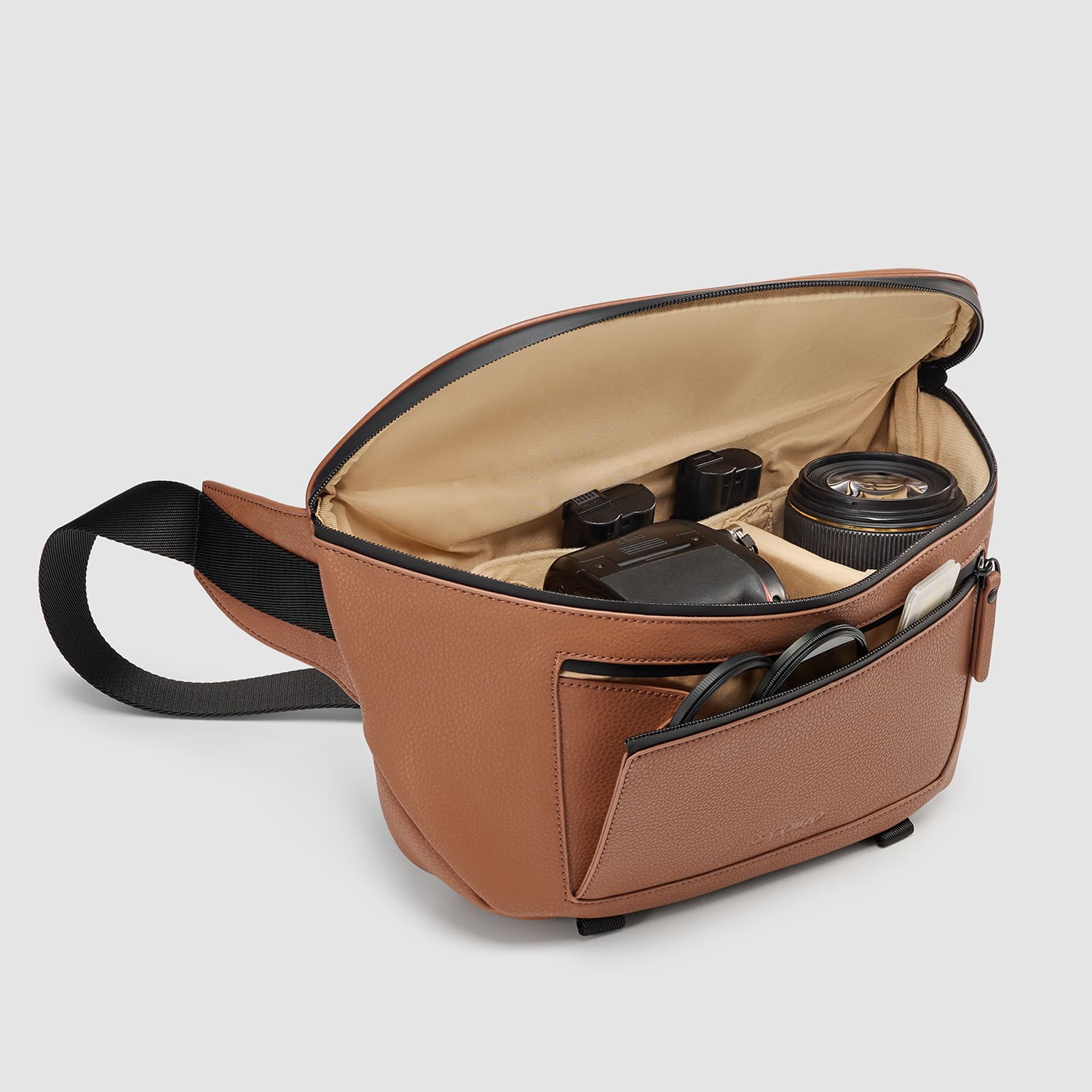
Leather Camera Bag for Everyday Photography and Travel

Pore-driving: How A Blackhead Remover Scrub Rescues Your T-zone