







Learning by Comparison: Why Map Quizzes Train the Brain Better Than Memorization
Think back to how geography was taught in school. Lists of capitals. Endless…

Think back to how geography was taught in school. Lists of capitals. Endless country names. Borders traced again and again in a notebook. It looked productive, but somehow, most of it faded fast.
That forgetting isn’t a personal failure. It’s a design flaw.
Geography is deeply spatial, yet it’s often taught as flat information. Memorization asks the brain to store isolated facts, while real geographic understanding depends on relationships — where things sit, how regions connect, and why borders exist where they do.
Map quizzes quietly change this dynamic. Instead of forcing recall in a vacuum, they push learners to compare locations, recognize patterns, and test assumptions. And that simple shift — from memorizing to comparing — makes all the difference.
Why Memorizing Maps Rarely Sticks
Memorization feels efficient. You repeat something often enough, and it seems like it should stay. But with geography, repetition alone rarely builds durable knowledge.
Country lists lack context. Capitals float in memory without anchors. When learners can’t connect one place to another, the brain has no framework to store the information.
That’s why similar country names blur together. Regions with shared borders get mixed up. And once repetition stops, memory fades quickly.
The brain prefers relationships over raw data. Without spatial or relational anchors, memorized facts sit alone — easy to lose, easy to replace.
And here’s the uncomfortable truth: the more abstract the memorization, the faster it disappears. Geography taught as trivia doesn’t become understanding. It becomes clutter.
How Map Quizzes Turn Geography Into Pattern Recognition
Map quizzes flip the learning process. Instead of asking “Do you remember this name?”, they ask “Where does this belong?”
That question forces comparison. East versus west. Coastal versus landlocked. Neighboring countries versus distant ones. Every guess is evaluated against other possibilities on the map.
Instant feedback matters here. When a learner places a country incorrectly, the correction happens immediately, while the mental image is still active. The mistake becomes useful information, not a failure.
Over time, patterns start to emerge. Borders make sense. Regions feel coherent. The learner isn’t memorizing — they’re recognizing.
And recognition is much harder to forget.
The Cognitive Power of Side-by-Side Comparison
Comparison is one of the brain’s favorite tools. We understand new information by contrasting it with what we already know.
Geography thrives on this. Comparing Europe and Asia clarifies cultural and physical boundaries. Looking at North Africa next to Sub-Saharan Africa highlights climate, trade routes, and history. Even subtle differences become meaningful when seen side by side.
Repeated comparisons across different quizzes strengthen these insights. The brain starts creating shortcuts — mental categories that speed up recall without sacrificing accuracy.
That’s when learning sticks. Not because the learner tried harder, but because the brain was allowed to work the way it prefers.
Games as Learning Systems, Not Just Entertainment
Games get a bad reputation in education. They’re often seen as distractions. But good geography games aren’t about entertainment alone — they’re structured learning systems.
Timed quizzes sharpen focus. Score tracking adds motivation. Small challenges create momentum. And competition, even against yourself, keeps attention engaged longer than static study tools ever could.
Play also lowers resistance. There’s less pressure to be perfect, which encourages experimentation. Learners guess more freely, learn faster, and build confidence along the way.
And confidence matters. When uncertainty shrinks, curiosity grows. That shift alone can turn avoidance into engagement.
Comparison as a Universal Learning Strategy
Comparison isn’t limited to maps or classrooms. It’s how people make sense of complex systems everywhere.
We compare products before buying. We contrast strategies before choosing a direction. We evaluate options not in isolation, but against alternatives.
Just as students compare regions and borders to understand geography, people in other domains rely on structured comparisons — such as those explored in https://onlymonster.ai/blog/fansly-vs-onlyfans/ — to evaluate systems and make informed decisions. Different context, same cognitive skill.
That’s why learning tools built around comparison feel intuitive. They don’t fight cognition. They ride with it. The brain recognizes the structure instantly, even if the subject matter is new.
Building Mental Maps That Last
Strong geographic knowledge isn’t about recalling one perfect map. It’s about building flexible mental maps that adapt to new information.
Repeated exposure across different formats — political maps, physical maps, regional quizzes — reinforces spatial memory. Each variation adds a new layer of understanding.
Regional quizzes are especially powerful. By zooming in and out, learners connect local detail with global structure. The world starts to feel organized instead of overwhelming.
Over time, recall becomes faster. Confidence increases. And geography stops feeling fragile — something easily forgotten — and starts feeling solid.
I know this sounds subtle, but it changes everything. When learners trust their mental map, they explore more. They guess more. And they learn more.
Why Geography Games Appeal to All Ages
One reason map quizzes work so well is their accessibility. Anyone can start. Mastery unfolds gradually.
They fit classrooms, self-study routines, and casual breaks alike. Five minutes here, ten minutes there. Learning becomes a habit, not a task.
There’s also something quietly satisfying about improvement you can feel. Scores rise. Mistakes shrink. Progress becomes visible. Even adults, long removed from formal schooling, find themselves pulled back in.
And curiosity scales better than obligation. When people want to know what’s next, they keep going. That’s rare. But real.
Conclusion
Geography improves when learners compare instead of memorize. That shift turns disconnected facts into meaningful systems.
Map quizzes don’t just test knowledge — they build it. Through contrast, feedback, and repetition, they create mental maps that last far beyond the quiz itself.
Maybe that’s the real lesson here. Learning sticks not when we force memory, but when we give the brain something worth connecting.
And once those connections form, they’re surprisingly hard to forget.

How Bingo Plus Login Supports a Safer and More Reliable Digital Account Experience
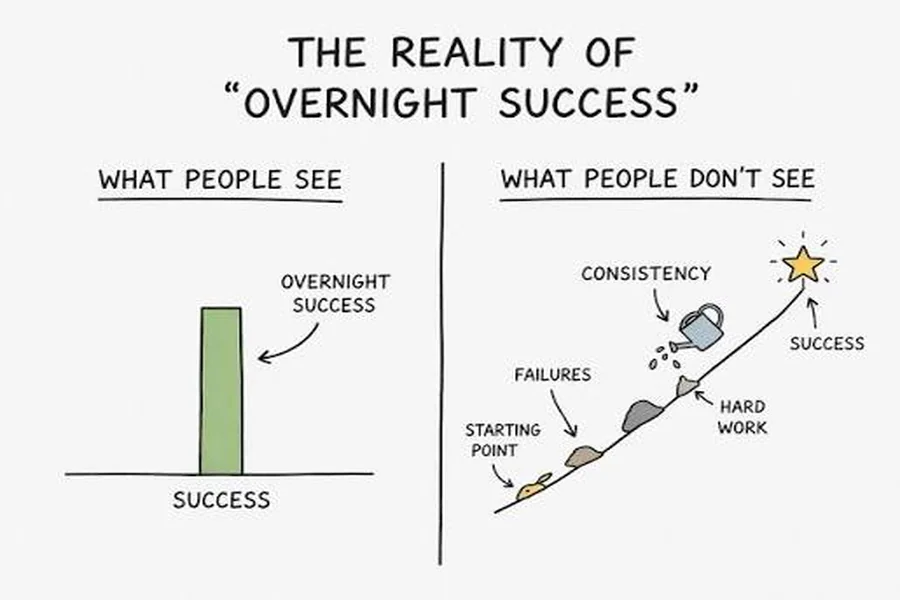
The Obsession of the Internet with Overnight Success
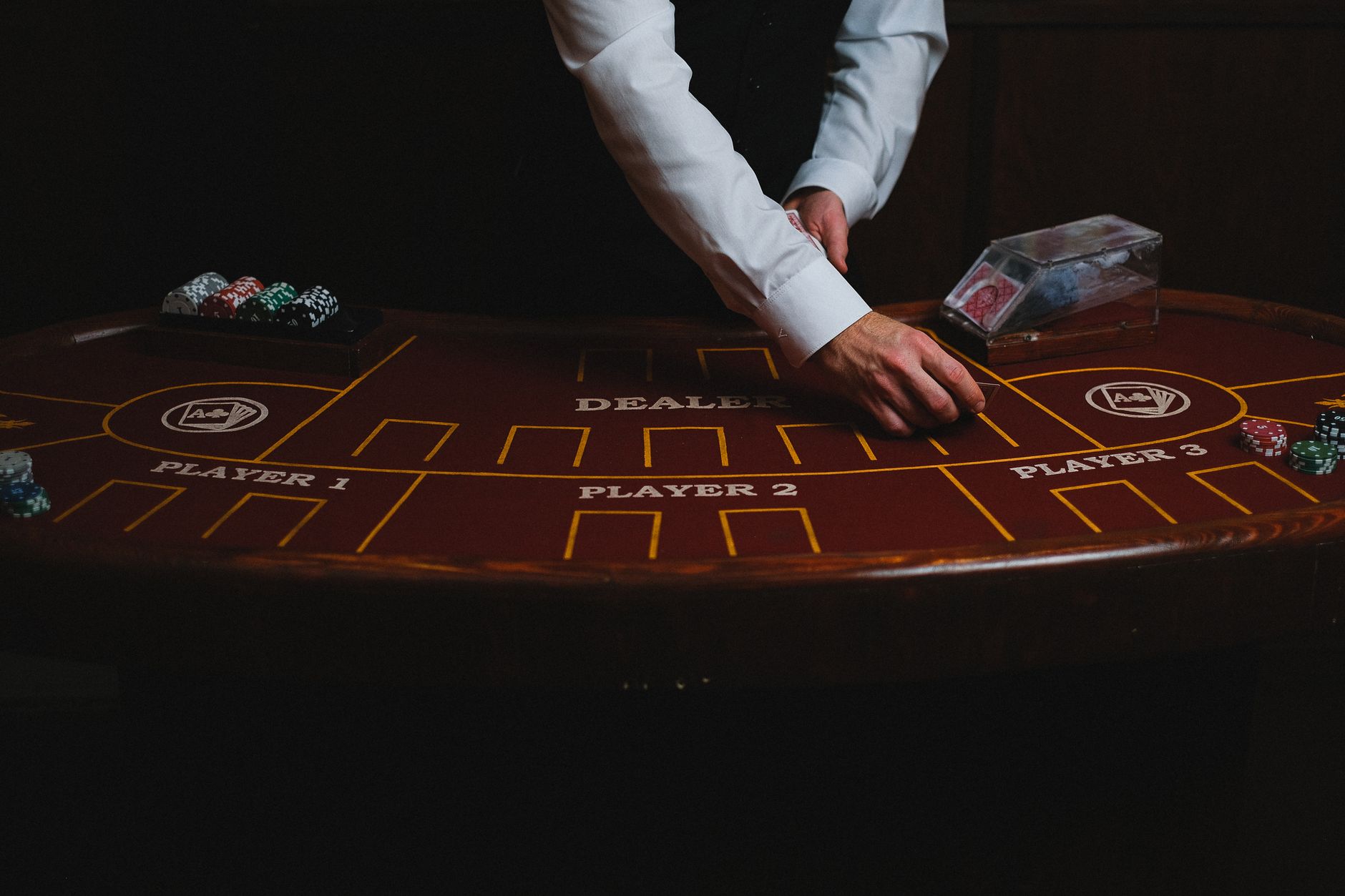
Live Dealer Games Are Taking Over US Online Games

MrCoin88 Free Credit No Deposit Bonus: 7 Clever Ways to Turn It Into Real Winnings