






Addressing Air Conditioning Issues Caused by Power Surges
Power surges can leave an air conditioning system acting “half normal.” The thermostat…
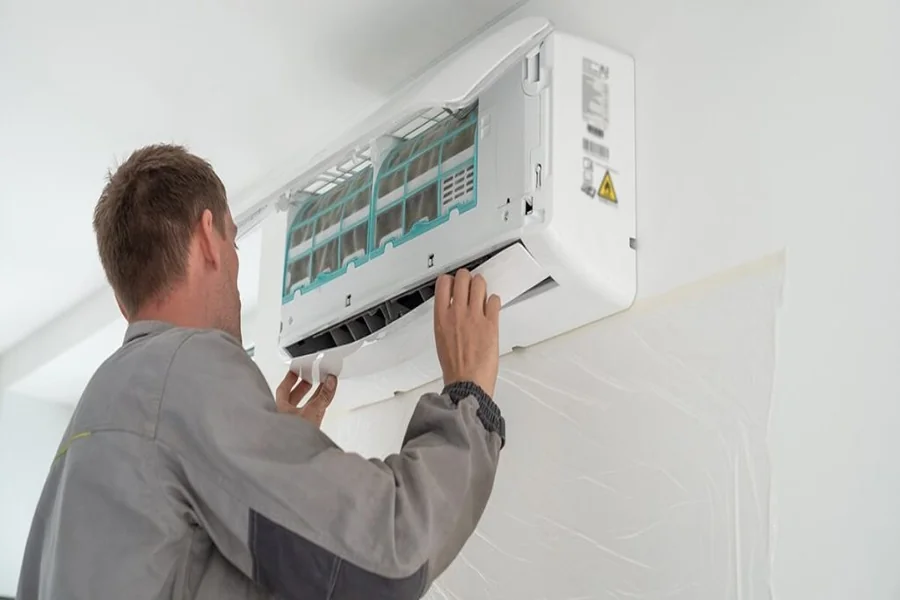
Power surges can leave an air conditioning system acting “half normal.” The thermostat may light up, the indoor fan may run, yet the outdoor unit stays silent, or the system starts and then shuts down unexpectedly. Sometimes the AC works for a while and then trips a breaker during the next startup. These problems are frustrating because they often appear right after a storm, utility switching event, or repeated brownouts, and they can mimic other failures like low refrigerant or a worn motor. HVAC contractors treat surge-related complaints as both an electrical and a mechanical investigation. The goal is to confirm what was damaged, restore safe operation, and reduce the chance of the same event causing another breakdown. Understanding how surge damage shows up helps homeowners respond calmly and avoid steps that can worsen the situation.
How Surges Disrupt Cooling
1. What a Power Surge Can Do to an AC System
A power surge is a sudden spike in voltage that can stress electrical components beyond what they are designed to handle. In an air conditioner, vulnerable parts include capacitors, contactors, relays, control boards, transformer circuits, and compressor windings. A surge can cause immediate failure, such as a blown fuse or a tripped breaker, but it can also weaken a part so it fails later under load. That delayed failure is why some systems run fine for hours after the event and then stop during the next hot afternoon. Contractors often start by asking what happened in the neighborhood—flickering lights, outages, or lightning—because that timing matters. They also ask whether other appliances showed issues, which can suggest a broader electrical event. Surges can also produce “confusing” symptoms like a humming outdoor unit that won’t start, or a compressor that tries to start and then shuts off. Those signs help narrow the likely damage to start components and control pathways rather than airflow or refrigerant issues.
2. Early Warning Signs After a Surge
Many surge-related problems show up during startup, because starting draws more electrical current than steady operation. Homeowners may notice the outdoor unit clicking but not running, an indoor blower that runs with no cooling, or a system that starts briefly and then trips the breaker. Some may notice a burning smell near the outdoor disconnect or hear a buzzing sound from the contactor. Contractors take these clues seriously because repeated attempts to restart can further stress damaged parts. If the system is short cycling, it may be reacting to a control board fault, a failing capacitor, or a safety circuit that is opening when voltage becomes unstable. In some cases, the thermostat display resets repeatedly or loses programming, which suggests low-voltage side stress or transformer issues. This is also why surge problems are not solved by “turning it off and on” repeatedly. A safer approach is to shut the system down, check the breaker once, and call for inspection rather than forcing multiple hard starts that can compound damage.
3. How Contractors Confirm Surge-Related Damage
HVAC contractors diagnose surge damage by combining electrical testing with system operation checks. They inspect the disconnect, breaker panel connections, and the outdoor unit’s electrical compartment for visible signs like scorched terminals, melted insulation, or swollen capacitors. They test capacitors with a meter, check contactor function, and measure line voltage and control voltage to verify that signals are reaching the outdoor unit. They also evaluate whether the compressor is drawing abnormal current, which can indicate internal damage or a hard-start condition. Control boards are checked for burn marks and proper response to thermostat calls. Because surge damage can be localized, contractors often test components under load, not only at rest. If a homeowner is searching for citrus heights air conditioner repair, the on-site diagnostic approach is essentially the same: verify safe power, inspect for damaged components, confirm control signals, and then run the system to observe how it behaves when it tries to start. The key is to identify what failed first and whether any secondary damage occurred because the system tried to run with compromised parts.
4. Common Parts That Fail First
In many surge cases, capacitors and contactors are frequent casualties because they handle switching and starting stress. A run capacitor may bulge or leak, causing the compressor or fan motor to struggle, hum, or fail to start. A contactor can pit, weld, or fail to close properly, leading to intermittent outdoor operation. Control boards can be sensitive as well, especially in newer systems with communicating technology. A surge can damage a board outright or weaken it so relays fail later. On the low-voltage side, a transformer may fail, leaving the thermostat powered but preventing the outdoor unit from receiving a proper call. In some situations, the compressor’s internal overload may trip during attempted starts, making the system appear dead until it cools and resets. Contractors don’t assume the most expensive part is bad first; they work through the power path step by step. Replacing a capacitor or contactor can restore operation quickly, but contractors still verify that the underlying electrical supply is stable and that no additional components were harmed during the event.
5. Resetting Safely Versus Repeated Restart Attempts
After a surge, homeowners often want to reset breakers and restart the unit immediately, but contractors prefer a controlled restart once basic checks are done. If a breaker trips repeatedly, it is signaling a potentially dangerous condition such as a shorted component or a compressor struggling to start. Resetting repeatedly can overheat wiring, stress the compressor windings, and escalate a repair into a major replacement. Contractors typically verify that the disconnect is seated properly, check the breaker rating, and inspect wiring connections before allowing another start attempt. They may also check whether voltage is stable, because brownouts can be as harmful as surges by forcing motors to draw higher current to do the same work. If the surge was caused by lightning or utility switching, the electrical system of the home might have other damage, and an electrician may be needed for panel-side evaluation. A careful restart plan protects the equipment and reduces the chance of hidden damage becoming worse. The goal is to bring the system back online only when the electrical environment is safe and the starting components are confirmed healthy.
6. Preventing Future Damage With Layered Protection
Once the system is repaired, contractors often discuss prevention because surge events can repeat. Surge protection can be installed at multiple levels: whole-home surge protection at the electrical panel and dedicated surge devices at the outdoor condenser disconnect. Whole-home protection helps reduce spikes coming from the utility line, while point-of-use protection can guard sensitive HVAC controls more directly. Grounding and bonding quality matters as well, because poor grounding can make surges more damaging. Contractors may recommend verifying that the condenser is on a properly sized circuit and that connections are tight and corrosion-free. In areas with frequent outages, voltage stabilization and proper shutdown procedures can also help. Homeowners can reduce risk by turning off the AC at the thermostat during severe storms and waiting a short period after power returns before restarting, allowing voltage to stabilize. Maintenance also plays a role. Clean coils and healthy airflow reduce the system’s electrical strain during startup and runtime, making it more resilient when power quality is imperfect.
7. A Checklist After a Suspected Surge
This paragraph is intentionally shorter and focuses on practical, safe steps. If the AC stops after a surge, turn the system off at the thermostat and check for obvious burning smells near the outdoor unit. Reset a tripped breaker only once; if it trips again, leave it off. Avoid repeated restart attempts that force hard starts. If the thermostat is blank or resetting, note that symptom for the technician. Keep the area around the outdoor unit clear so it can be inspected safely. When the technician arrives, share the timing of the outage or storm and whether other appliances were affected. This helps isolate surge damage from unrelated failures and speeds up accurate repair.
Air conditioning issues caused by power surges often look confusing because the system may partially operate while key electrical components are damaged. Contractors address these problems by tracing the power and control path, inspecting for visible electrical stress, testing capacitors and contactors, verifying control voltage, and checking compressor behavior under load. Many failures appear during startup, which is why repeated restart attempts can worsen the situation and lead to larger damage. After repairs, prevention becomes important through proper surge protection, solid grounding, stable electrical connections, and smart restart habits after outages. With a careful diagnostic approach and a layered protection plan, homeowners can restore reliable cooling and reduce the chance that the next surge turns into another unexpected breakdown.

Understanding What Really Depends On Your Paycheck

Christian Pulisic’s Chelsea Struggles Explained—and Why Liverpool Could Be His Redemption Story

The Role of Blockchain Payments in Modern Commerce
How to Reach Buyers Before They Contact Another REALTOR