







How Brain Injuries Are Proven When There’s No Visible Trauma
Brain injuries don’t always look like what people expect. Many victims imagine a…
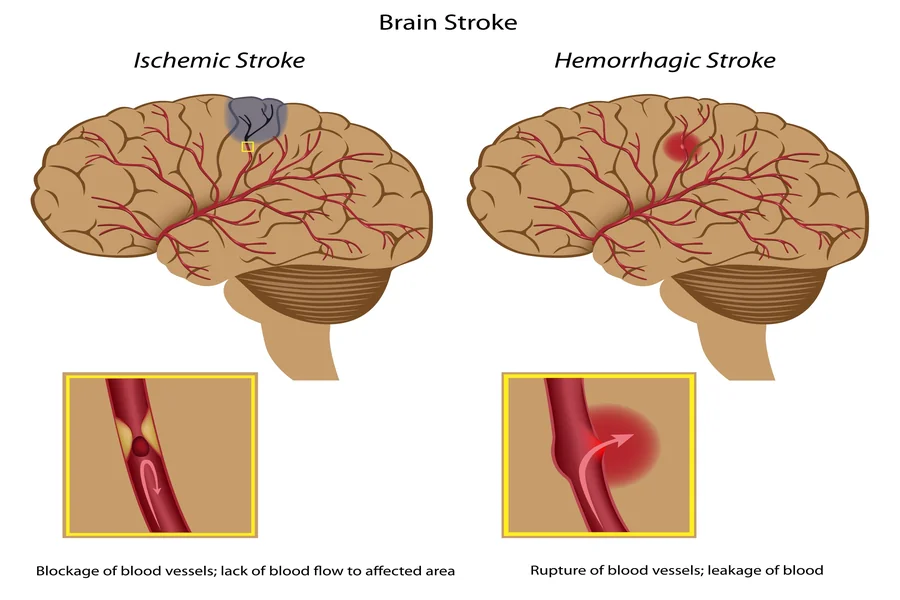
Brain injuries don’t always look like what people expect. Many victims imagine a traumatic brain injury must involve bleeding, a skull fracture, or a dramatic CT scan finding. In reality, some of the most disruptive brain injuries leave no obvious bruising and no visible trauma on the outside of the body. A person can walk away from a crash looking “fine” and still suffer long-lasting cognitive problems, emotional changes, and neurological symptoms that affect every part of daily life.
This creates a difficult challenge in injury claims: how do you prove a brain injury when you don’t have a visible wound? Insurance companies often exploit that gap. They may claim the injury is exaggerated, stress-related, or unrelated to the accident. That’s why proving invisible brain injuries requires strong medical documentation, consistent symptom reporting, and expert support. If you’re facing a brain injury claim without obvious trauma, Jacoby & Meyers can help gather the evidence needed to show what happened, how the brain was affected, and why the injuries are real, even without visible signs.
Why Many TBIs Don’t Show Up On Standard Imaging
Concussions and mild traumatic brain injuries often don’t appear on CT scans or basic MRIs. These imaging tools are designed to detect bleeding, fractures, swelling, and major structural damage—but many TBIs involve microscopic injury, disrupted neural pathways, or functional impairment rather than visible damage.
That’s why a normal scan doesn’t automatically mean “no brain injury.” Doctors often diagnose TBIs based on symptoms and clinical findings. In legal cases, this becomes important because insurers may rely heavily on imaging results while ignoring the larger medical picture.
Symptoms Are Often The Strongest Evidence
When trauma isn’t visible, symptoms and their consistency over time often become the strongest evidence. Common brain injury symptoms include:
- Headaches
- Dizziness or balance problems
- Nausea
- Memory issues
- Confusion or disorientation
- Slowed thinking or processing
- Difficulty focusing or concentrating
- Sensitivity to light or sound
- Mental “fog” or feeling off
- Mood changes or irritability
- Anxiety or depression
- Sleep disruption
What matters most is pattern and persistence. When symptoms begin after the accident, continue over time, and are reported consistently across medical visits, it strengthens credibility and helps show the injury is real and trauma-related.
Medical Notes Can Confirm The Injury Even Without Bruising
Doctors document more than just visible injuries. Medical records often include neurological observations, cognitive testing notes, balance assessments, and descriptions of behavioral changes. Notes about confusion, delayed response time, memory loss, or difficulty speaking can become powerful evidence.
Emergency room records may also show early signs—such as disorientation or vomiting—that support brain injury diagnosis. Follow-up records from neurologists, concussion specialists, and rehabilitation professionals can further establish the injury’s presence and impact. In many cases, the medical record becomes the most important proof when external trauma is minimal.
Neuropsychological Testing Can Show Hidden Cognitive Deficits
Neuropsychological testing is one of the strongest tools for proving a brain injury that isn’t visible on scans. These tests measure memory, attention, processing speed, verbal skills, executive functioning, and emotional regulation. They can reveal deficits that affect work performance and daily functioning even when the victim appears normal socially.
These tests are especially valuable because they provide measurable results. Instead of relying on subjective complaints alone, neuropsych testing produces objective findings that support a diagnosis of brain injury. This helps counter the common insurance argument that symptoms are “just stress.”
Balance, Vision, And Vestibular Testing Can Provide Objective Proof
Many TBIs affect balance, eye movement, and spatial orientation. Vestibular therapy evaluations and specialized testing can identify impairments in coordination and equilibrium. Vision testing may reveal tracking problems, blurred vision, sensitivity, or difficulty focusing—issues that may not appear in routine eye exams.
This type of documentation is especially useful because it shows physical changes related to brain function. When tests show measurable deficits in balance or visual processing, it becomes harder for insurers to dismiss symptoms as emotional or exaggerated.
Functional Impact Often Proves Seriousness Better Than Photos
One of the most convincing ways to prove a brain injury is through functional impact. If you can no longer work at the same level, struggle with multitasking, lose focus easily, or develop mood instability, those changes often reveal the injury’s seriousness more than a scan or a bruise.
Work records, performance evaluations, missed time, and job accommodation requests can support these effects. Family members may also describe changes in personality, memory, and emotional control. These real-life consequences show the injury is affecting how the brain functions—not just how the person feels.
Consistent Treatment Strengthens Causation
Insurance companies often look for gaps in treatment as an excuse to deny or reduce claims. If you stop seeing doctors, skip therapy, or delay follow-up visits, insurers may argue that the injury must not be serious. For brain injuries, consistent treatment is especially important because symptoms can fluctuate and worsen over time.
Continuing care also builds a timeline. It shows that symptoms began after the accident and persisted. That timeline is essential for proving causation, especially in cases where the injury isn’t visible and the defense tries to blame stress, aging, or pre-existing conditions.
Expert Testimony Helps Explain Invisible Injury To A Jury
Brain injuries can be hard for juries and adjusters to understand. Experts help bridge that gap. Neurologists, neuropsychologists, rehabilitation specialists, and life care planners can explain how a crash can cause brain dysfunction even without visible trauma and what the injury will likely mean long-term.
Expert testimony also helps prove future damages. Brain injuries often require long-term therapy, cognitive rehabilitation, mental health treatment, and lifestyle accommodations. Experts help explain why these needs are real and why the victim’s future is affected even if the injury doesn’t show externally.
Brain Injuries Without Visible Trauma Can Still Be Strong Claims
A brain injury doesn’t need to look dramatic to be life-changing. Many TBIs cause lasting cognitive and emotional damage without bruising, bleeding, or abnormal scans. Proving these injuries requires consistent symptom reporting, detailed medical records, neuropsych testing, balance and vestibular evaluations, and evidence of functional impact in daily life.
If you suspect a brain injury after an accident, the most important step is getting evaluated early and documenting symptoms consistently. Invisible injuries are often dismissed at first—but with the right medical support and evidence, they can be proven clearly and pursued as serious, legitimate claims.

Understanding What Really Depends On Your Paycheck

Christian Pulisic’s Chelsea Struggles Explained—and Why Liverpool Could Be His Redemption Story

The Role of Blockchain Payments in Modern Commerce

How to Reach Buyers Before They Contact Another REALTOR