







The Role of HVAC Contractors in Diagnosing Intermittent System Failures
Intermittent HVAC system failures are some of the most frustrating problems homeowners and…
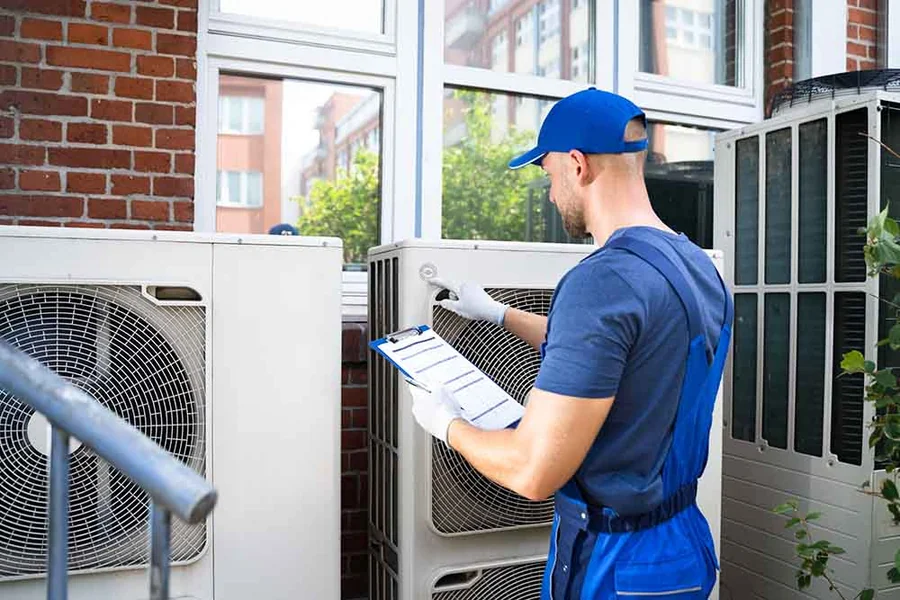
Intermittent HVAC system failures are some of the most frustrating problems homeowners and building managers face. Unlike constant breakdowns, these issues appear and disappear without warning, making them difficult to reproduce and explain. A system may stop cooling on a hot afternoon, then run the next morning perfectly. Heating might fail overnight, but work again by midday. These patterns often lead people to believe the problem has resolved itself, only for it to return later. Intermittent failures matter because they often indicate underlying conditions that are gradually worsening. Left unchecked, they can reduce comfort, strain components, and eventually lead to a complete shutdown. HVAC contractors play a critical role in identifying these hidden causes by combining observation, testing, and experience to connect inconsistent symptoms into a clear diagnosis.
Understanding Inconsistent System Behavior
1. Why Intermittent Failures Are Hard to Trace
Intermittent HVAC problems do not follow predictable patterns, which makes them challenging to diagnose. A system might fail only under specific conditions, such as extreme outdoor temperatures, high humidity, or extended run times. When a contractor arrives, and the system is operating normally, there may be no active error codes or obvious signs of malfunction. This is why understanding context becomes essential. Contractors ask detailed questions about when the issue occurs, how long it lasts, and what was happening in the home at the time. They look for connections between system behavior and environmental conditions, such as whether failures occur during peak demand hours or after thermostat adjustments. These clues help narrow down potential causes, such as overheating components, airflow restrictions, or electrical issues that only appear under load. Without this investigative approach, intermittent problems can be mistaken for minor glitches, allowing deeper issues to continue developing unnoticed.
2. Tracking Patterns Through Testing and Monitoring
To diagnose intermittent failures, HVAC contractors often rely on extended testing rather than quick inspections. They may monitor temperature differentials, voltage readings, and system pressures over time to catch changes that only occur intermittently. Some issues only appear after the system has been running for a while, such as motors overheating or sensors drifting out of range as temperatures rise. Contractors may also test safety switches and limit controls that shut the system down temporarily when unsafe conditions are detected. These components often reset automatically, making the failure seem random to the homeowner. In many cases, this level of analysis is part of professional HVAC services, where the focus is not just on restoring operation but also on understanding why the system stopped in the first place. By recreating operating conditions and observing how the system responds, contractors can identify weak points that would otherwise remain hidden during a brief service call.
3. Electrical Components and Signal Interruptions
Electrical issues are a common source of intermittent HVAC failures. Loose connections, aging contactors, and failing relays can interrupt power flow momentarily, causing the system to shut down and restart later without warning. These problems may not leave visible damage, making them easy to overlook. Contractors inspect wiring connections, control boards, and terminal blocks for signs of heat stress, corrosion, or vibration-related wear. They also measure voltage stability to ensure components are receiving consistent power. In some cases, fluctuations in the power supply can interact with sensitive electronics, triggering shutdowns that occur only under certain conditions. By carefully tracing electrical pathways and testing components under load, contractors can pinpoint where signal interruptions occur. Addressing these issues early helps prevent repeated shutdowns that can shorten equipment life and reduce overall reliability.
4. Airflow and Environmental Influences
Airflow problems can also cause intermittent system behavior. Filters that are partially clogged, dampers that stick, or ductwork that shifts can restrict airflow enough to trigger safety limits, especially during long run cycles. When the system cools down or demand decreases, airflow may improve just enough for operation to resume. Contractors evaluate airflow by checking static pressure, inspecting duct paths, and examining return and supply balance. Environmental factors such as blocked vents, furniture placement, or seasonal changes in humidity can also affect airflow. In heating mode, restricted airflow can cause overheating and temporary shutdowns, while in cooling mode, it can lead to coil freezing that resolves once the system cycles off. Understanding how the system interacts with its environment allows contractors to identify conditions that only cause problems part of the time, rather than assuming a single component has failed completely.
5. Control Systems and Sensor Accuracy
Modern HVAC systems rely heavily on sensors and control logic to maintain comfort and safety. Intermittent failures can occur when sensors provide inaccurate readings due to age, placement, or environmental exposure. A temperature sensor that reads incorrectly may cause the system to cycle off prematurely or fail to start when needed. Similarly, pressure switches and humidity sensors can respond to borderline conditions, briefly shutting the system down before resetting. Contractors test sensor accuracy and compare readings across different operating states to identify inconsistencies. They also examine thermostat wiring and communication between indoor and outdoor units, especially in systems with advanced controls. When control signals are disrupted or misinterpreted, the system may behave unpredictably without showing obvious faults. Careful evaluation of control components helps distinguish between mechanical problems and control-related interruptions.
6. Diagnostic Strategy
This paragraph focuses on how contractors approach intermittent HVAC failures. They gather detailed histories from occupants to understand when and how problems appear. Testing is performed over time to capture conditions that cause shutdowns, rather than relying on brief inspections. Electrical pathways, airflow balance, and sensor accuracy are examined because small variations can trigger temporary stoppages. Safety controls are checked to confirm they are responding correctly rather than falsely tripping. Environmental influences such as temperature, humidity, and usage patterns are considered alongside mechanical components. This methodical process turns inconsistent symptoms into actionable information, allowing contractors to address root causes instead of temporary fixes.
7. Preventing Escalation Through Early Diagnosis
Once the cause of an intermittent failure is identified, corrective action can prevent more serious damage. Components that repeatedly overheat or cycle improperly experience accelerated wear, which can lead to complete failure if ignored. Contractors often recommend adjustments such as improving airflow, securing electrical connections, recalibrating sensors, or replacing stressed parts before they fail entirely. These steps help stabilize system operation and restore consistent performance. Early diagnosis also improves energy efficiency, as systems that cycle unpredictably often consume more power while delivering less comfort. By resolving intermittent issues promptly, homeowners avoid the stress of unexpected outages and the higher costs associated with emergency repairs. The contractor’s role extends beyond repair to system stewardship, ensuring the equipment operates reliably across changing conditions.
Intermittent HVAC system failures require patience, careful observation, and a structured diagnostic approach. Because these problems appear only under certain conditions, they can be misleading and easy to dismiss until they become more frequent. HVAC contractors play a vital role by tracking patterns, testing systems under real operating conditions, and evaluating electrical, airflow, and control components together rather than in isolation. Their ability to connect inconsistent symptoms to underlying causes helps restore dependable operation and protect equipment from long-term damage. Addressing intermittent failures early improves comfort, efficiency, and system lifespan while reducing the likelihood of sudden breakdowns. Through thorough diagnosis and targeted corrections, contractors turn unpredictable performance into stable, reliable climate control.

Understanding What Really Depends On Your Paycheck

Christian Pulisic’s Chelsea Struggles Explained—and Why Liverpool Could Be His Redemption Story

The Role of Blockchain Payments in Modern Commerce

How to Reach Buyers Before They Contact Another REALTOR