






What Actually Helps When Everyday Aches Won’t Let Up
Most people experience occasional aches and pains. A long day at work, an…

Most people experience occasional aches and pains. A long day at work, an intense workout, hours spent sitting at a desk, or simply getting older can all leave the body feeling stiff and uncomfortable. Usually, these aches fade after a good night’s sleep or a day of rest. The challenge comes when discomfort becomes a regular part of daily life.
Persistent aches can affect everything from productivity and mood to sleep quality and overall well-being. While serious or ongoing pain should always be discussed with a healthcare professional, many people find that everyday discomfort improves when they focus on a combination of healthy habits rather than searching for a single quick fix.
The goal is often not perfection. Instead, it is finding practical ways to feel better and move more comfortably throughout the day.
Movement Often Helps More Than Rest
When aches linger, the natural instinct is often to avoid movement altogether. While rest certainly has its place, too much inactivity can sometimes make stiffness worse.
Gentle movement helps improve circulation, maintain flexibility, and prevent muscles from becoming overly tight. Walking, stretching, swimming, and other low-impact activities can often help the body feel better rather than worse.
The key is finding a level of activity that supports recovery without aggravating discomfort. Small amounts of movement performed consistently often produce better results than occasional intense efforts.
For many people, staying active becomes one of the most effective long-term strategies for managing everyday aches.
Pay Attention to Recovery Habits
Recovery is often overlooked until discomfort becomes noticeable. Many people spend significant energy working, exercising, or handling daily responsibilities without giving equal attention to how the body recovers afterward.
Hydration, nutrition, sleep, and stress management all influence how the body feels from day to day. When these areas are neglected, minor aches may linger longer than expected.
Recovery is not simply about what happens after physical activity. It is also about creating habits that help the body repair and recharge consistently over time.
Small improvements in recovery habits can often produce noticeable improvements in overall comfort.
Sleep Quality Matters More Than People Realize
A poor night’s sleep can make physical discomfort feel more intense. At the same time, aches and stiffness can make it harder to sleep well, creating a frustrating cycle.
Quality sleep supports many of the body’s natural recovery processes. When sleep becomes inconsistent or interrupted, recovery may become less effective.
Creating a comfortable sleep environment, maintaining a consistent schedule, and developing calming evening routines can all contribute to better rest. Many people notice that aches feel more manageable when they wake up feeling properly rested.
Improving sleep quality often benefits far more than energy levels alone.
Look Beyond the Immediate Discomfort
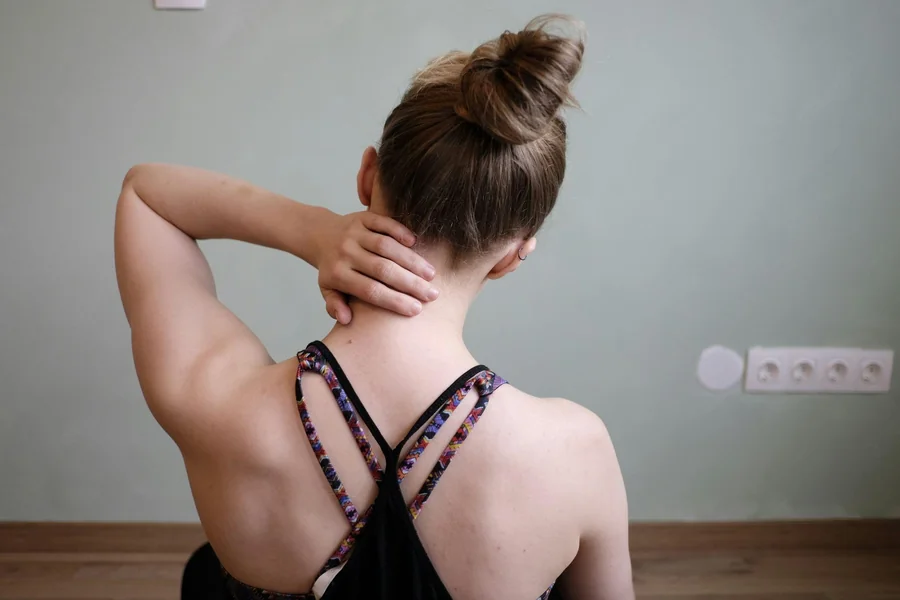
People naturally focus on where they feel discomfort, but the source of the problem is not always located in the same place.
For example, shoulder tension may be influenced by posture, lower back discomfort may be affected by prolonged sitting, and muscle tightness may be connected to stress or limited mobility. Looking at broader lifestyle factors often reveals opportunities for improvement.
This more comprehensive perspective helps people identify patterns rather than simply reacting to symptoms as they appear.
Long-term comfort often comes from addressing underlying habits rather than constantly chasing temporary relief.
Consistency Usually Beats Intensity
When people become frustrated with ongoing aches, they often search for dramatic solutions. In many cases, however, consistent small actions produce the greatest benefits.
Daily stretching, regular movement, proper hydration, and balanced recovery habits may seem simple, but their effects accumulate over time. These habits support overall well-being while helping reduce the physical strain that builds up through everyday life.
Products associated with wellness-focused recovery routines have also attracted attention from people looking to support comfort as part of broader self-care practices. Within that category, cbd for relief represents one of the options some individuals consider while building routines centered on recovery and daily comfort.
The broader principle remains the same: lasting improvements often come from sustainable habits rather than short-term fixes.
Stress Can Show Up Physically
Many people think of stress as purely mental or emotional, but it frequently has physical effects as well.
Tight shoulders, jaw tension, headaches, muscle stiffness, and general discomfort can sometimes become more noticeable during stressful periods. When stress remains elevated for long periods, the body may stay in a state of tension that contributes to ongoing aches.
Relaxation techniques, mindfulness practices, hobbies, exercise, and other stress-management strategies can help reduce this physical burden. Even small efforts to manage stress may improve how the body feels throughout the day. Addressing stress often benefits both mental and physical well-being at the same time.
The Best Approach Is Usually a Combination of Factors
There is rarely a single explanation for everyday aches. More often, discomfort reflects a combination of movement patterns, recovery habits, sleep quality, stress levels, and lifestyle factors.
Because of this, the most effective approach is often a balanced one. Improving several areas at once tends to produce better results than focusing exclusively on a single solution.
By paying attention to movement, recovery, sleep, stress management, and overall wellness habits, many people discover that everyday aches become easier to manage. While progress may be gradual, small improvements repeated consistently can make a meaningful difference in how the body feels over time.

Online Game: Understanding Symbols, Triggers and Feature Rules

How Bingo Plus Login Supports a Safer and More Reliable Digital Account Experience
The Obsession of the Internet with Overnight Success

Live Dealer Games Are Taking Over US Online Games