







Why Quality Control Matters in Liquid Manufacturing
Before a liquid ever reaches a bottle, vial, or cartridge, it has already…
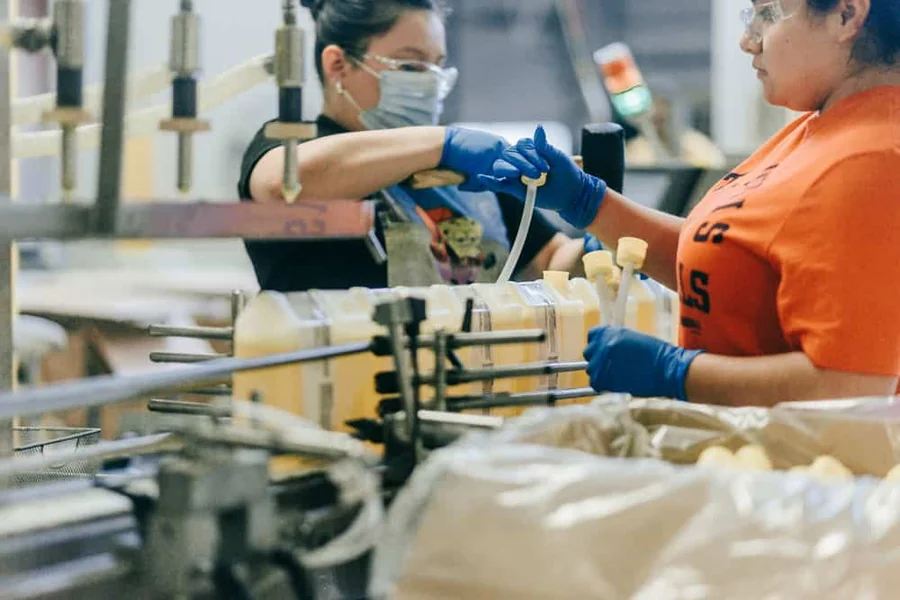
Before a liquid ever reaches a bottle, vial, or cartridge, it has already traveled a long and complex journey. Behind the scenes of every sip, dose, or application is a carefully controlled process where precision matters down to the smallest measurement. In liquid manufacturing, even a minor inconsistency can ripple outward—affecting safety, performance, and trust. That is why quality control is not just a technical function; it is the silent force that ensures every drop delivers exactly what it promises.
From food and beverages to pharmaceuticals, cosmetics, and specialty liquids, quality control defines whether a product succeeds or fails in the real world.
Ensuring Consumer Safety
Consumer safety is the most critical reason quality control exists in liquid manufacturing. Liquids are especially vulnerable to contamination because microorganisms, chemical impurities, or foreign particles can spread evenly throughout a batch. If one part of a liquid is compromised, the entire product is at risk.
In food and beverage manufacturing, contamination can lead to serious health concerns caused by bacteria or chemical residues. In pharmaceutical production, incorrect concentrations or unstable formulations can make medications ineffective or unsafe. Even in personal care products, poor quality control can result in skin irritation or allergic reactions.
Robust quality control systems—such as microbial testing, ingredient verification, and stability testing—help identify risks early in the production process. By catching issues before products leave the facility, manufacturers protect consumers while avoiding recalls, legal exposure, and long-term damage to their credibility.
Maintaining Product Consistency
Consistency is one of the most visible indicators of quality in liquid manufacturing. Customers expect the same flavor, texture, color, and performance every time they purchase a product. Any variation, even if it does not pose a safety risk, can lead to dissatisfaction and loss of trust.
Quality control ensures that each batch meets strict specifications. Parameters such as viscosity, density, pH levels, and ingredient ratios are measured and monitored throughout production. For example, a beverage must taste the same across millions of bottles, and a cosmetic lotion must feel identical with every use.
This same principle applies across regulated adult consumer products, including Vape Juice, where consistent formulation and purity are essential to ensure reliable performance and compliance with safety standards. In these cases, quality control supports product reliability without promoting misuse, reinforcing responsible manufacturing practices.
Meeting Regulatory and Industry Standards
Liquid manufacturing is governed by extensive regulations designed to protect public health and ensure transparency. Industries such as pharmaceuticals, food and beverages, and chemicals are subject to strict oversight from regulatory bodies and international standards organizations.
Quality control plays a central role in meeting these requirements. Systems built around Good Manufacturing Practices (GMP), ISO certifications, and documented testing protocols help manufacturers demonstrate compliance. Accurate recordkeeping, traceability of raw materials, and batch testing are all part of a strong QC framework.
Failure to meet regulatory standards can result in fines, production shutdowns, or permanent loss of operating licenses. By embedding quality control into daily operations, manufacturers reduce regulatory risk and ensure long-term business stability.
Reducing Waste and Controlling Costs
Quality control is often viewed as a cost, but in reality, it is a powerful cost-saving tool. Producing defective or non-compliant liquid products leads to wasted ingredients, labor, packaging, and energy. When problems are discovered late in the process, losses can multiply quickly.
By implementing quality checks at every stage—from raw material inspection to in-process testing and final verification—manufacturers can detect issues early. Early detection allows for adjustments before large volumes are affected, significantly reducing waste.
Modern quality control systems, including automated sensors and real-time monitoring, further improve efficiency. These tools help prevent overfilling, incorrect mixing, or unstable formulations, leading to smoother operations and better use of resources.
Protecting Brand Reputation
In today’s connected world, brand reputation can be damaged faster than ever. A single quality failure can spread quickly through reviews, news coverage, and social media. Once trust is lost, it is difficult—and expensive—to rebuild.
Quality control acts as a safeguard for a brand’s image. Consistently delivering safe, reliable liquid products reinforces customer confidence and strengthens long-term loyalty. Companies known for rigorous quality standards often stand out in crowded markets, earning repeat business and positive recognition.
For many manufacturers, quality control is not just about avoiding failure—it is about signaling professionalism, responsibility, and commitment to excellence.
Supporting Innovation and Continuous Improvement
Beyond protection and compliance, quality control also fuels innovation. The data collected through testing and monitoring provides valuable insights into production performance. Manufacturers can identify trends, inefficiencies, or recurring deviations that point to opportunities for improvement.
Analyzing quality data can lead to better formulations, more efficient equipment, and streamlined workflows. Over time, this continuous improvement cycle helps manufacturers produce higher-quality liquids at lower costs while adapting to changing market demands.
Quality control, in this sense, becomes a strategic asset—supporting growth, scalability, and technological advancement rather than simply policing errors.
Quality control is the backbone of liquid manufacturing. It protects consumers, ensures consistency, supports regulatory compliance, reduces waste, and safeguards brand reputation. More importantly, it builds trust—between manufacturers and customers, regulators, and business partners.
In an industry where small deviations can have large consequences, quality control ensures that every product meets its intended purpose safely and reliably. For liquid manufacturers, investing in quality control is not optional. It is a long-term commitment to precision, responsibility, and sustainable success—one drop at a time.

Online Game: Understanding Symbols, Triggers and Feature Rules

How Bingo Plus Login Supports a Safer and More Reliable Digital Account Experience
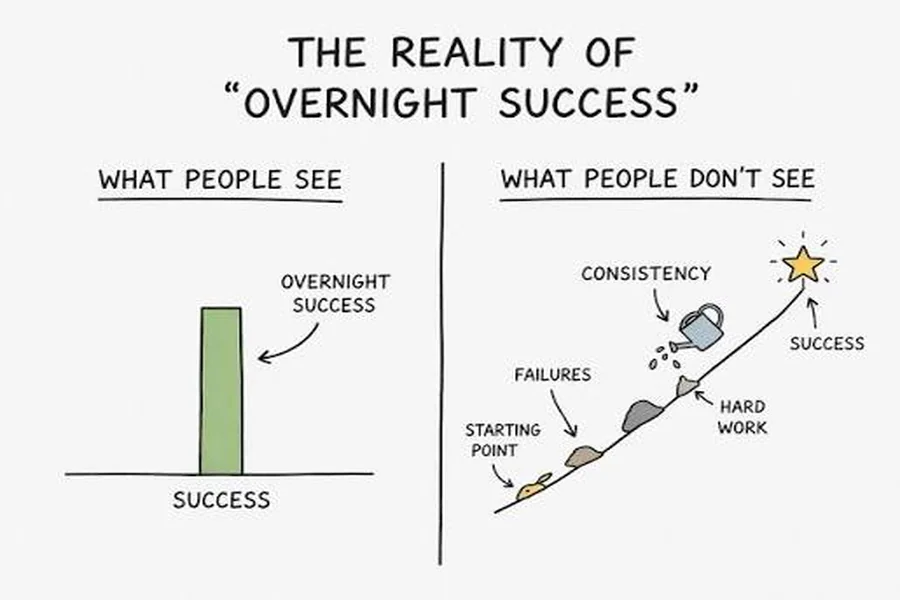
The Obsession of the Internet with Overnight Success

Live Dealer Games Are Taking Over US Online Games