






How to Create Corporate Video to Improve Employee Engagement
Employee engagement is not nice to have anymore. It is one of the…
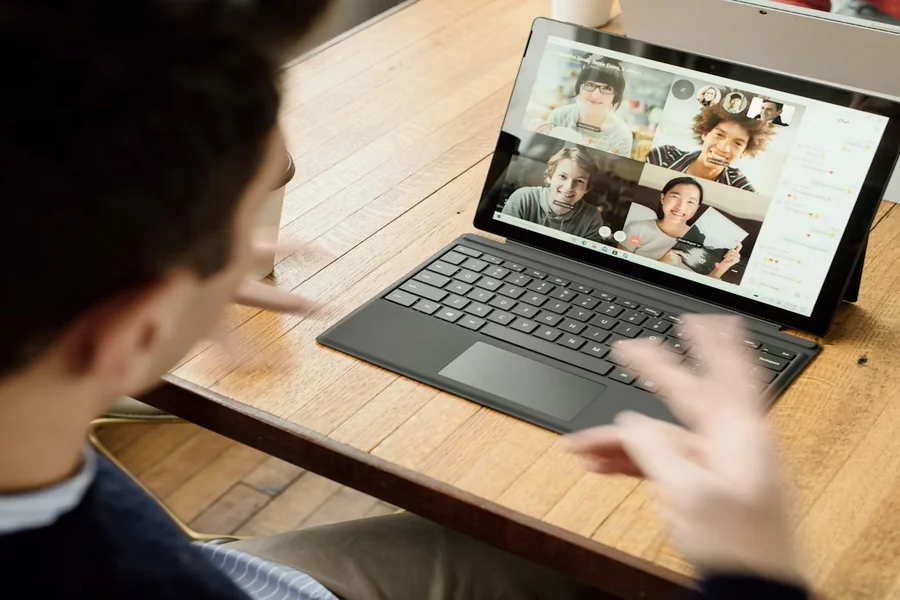
Employee engagement is not nice to have anymore. It is one of the clearest indicators of how healthy a company is and a key reason why corporate video has become so important. Engaged employees care about their work. They understand why it matters and feel connected to the bigger picture. For leaders, this makes engagement a core responsibility and a priority for anyone looking to increase employee engagement. After all, high engagement is linked to a 14-18% increase in productivity and turnover rates that are 18-43% lower than on low‑engagement teams.
When people do not understand processes, changes, or expectations, frustration builds fast. Emails get ignored. Documents go unread. Meetings feel like a waste of time. That is where communication becomes the leader’s most powerful tool, and where employee engagement with video proves especially effective. Thus, a corporate video is one of the most effective ways to make that communication actually land. You can also consider recording video meetings.
Why Video Works Better Than Text
Most people do not read long internal documents. They scroll and promise themselves they will read it later. Video solves that. It consistently outperforms text in internal communication and is a core element of modern employee engagement video production.
It feels more human
Seeing a face and hearing a voice creates a connection. Tone, emotion, and intent come through clearly. A two-minute educational video from a leader often feels more personal than a perfectly written email and supports stronger team engagement.
It is easier to process
Our brains are wired to absorb visual information faster than written text. Video combines visuals, voice, and context. This makes complex ideas easier to understand. This is especially effective when you need to explain workflows or changes through corporate training video production.
It builds trust
When leaders show up on camera, they feel more accessible. Employees can see that decisions are made by real people. That transparency goes a long way and strengthens trust through authentic corporate videography.
It is easy to remember
People remember what they see and hear far better than what they read once and forget. A short video walkthrough sticks longer than a PDF attachment, especially when supported by clear visuals and simple video editing software. It works especially well for employee attrition.
Common Types of Video Used Inside Companies
You do not need a Hollywood production or a full video team. Most effective internal videos are simple, practical, and straight to the point. Successful corporate video production focuses on clarity, not perfection. Here are the most common formats leaders and teams use:
- Process walkthroughs — Short videos showing how things actually work. These can be onboarding steps, CRM workflows, reporting processes, or internal tools, and are a core format in corporate training video production.
- Leadership updates — Quick updates from managers or executives about goals, changes, or priorities. These videos humanize leadership and capture attention
- Training and how-to videos — Instead of repeating the same explanations in meetings, teams record once and reuse. This format works especially well for tools, policies, or recurring tasks and supports long-term team engagement.
- Team knowledge sharing — Subject-matter experts explain best practices, tips, or lessons learned. This approach helps scale knowledge without endless meetings and supports efforts to increase employee engagement.
- Culture and values videos — Stories from employees, behind-the-scenes moments, or reflections on company values. These videos strengthen emotional connection and reinforce company culture through authentic corporate videography.
How to Create Videos About Work Processes Without Extra Costs
This is where many leaders hesitate. Video sounds expensive, time-consuming, or complicated. The good news is that effective employee engagement video production does not have to be any of those things. Here is a practical approach to creating effective process videos with minimal effort.
Step 1 — Pick One Process That Causes Confusion
Start small. Choose one workflow that comes with the most questions or mistakes. It could be:
- How to submit reports
- How onboarding works
- How approvals happen
- How a specific tool is used
If people keep asking about it, it is a perfect candidate for a corporate training video production.
Step 2 — Keep the Goal Simple
Every video should answer one main question. This can be just anything. How do I complete this task correctly? What are the key steps in this process? Who is responsible for what? If you cannot summarize the goal in one sentence, the corporate video will be too long and will cause disengagement.
Step 3 — Do Not Write a Script
You do not need a polished script. That usually makes people sound stiff and unnatural. Instead, jot down 3 or 5 talking points.
- What this process is
- When it is used
- Key steps
- Common mistakes to avoid
- Where to find help
This keeps the educational video clear but conversational.
Step 4 — Use the Tools You Already Have
Most teams already have everything they need. A laptop or phone camera, screen recording software, a quiet room, and natural lighting will be more than enough. Additionally, you can arm yourself with free video editing software like https://www.movavi.com/tools/free-movie-maker/ to create outstanding content without spending a dime from your corporate budget.
Step 5 — Keep It Short
Aim for up to 7 minutes. If it is longer, break your videos into parts. Short videos are easier to watch, get higher completion rates, and are easier to update later. This approach supports sustainable employee engagement with video.
Step 6 — Be Human
Mistakes are fine. Small pauses are fine. A natural tone builds trust. Employees do not expect a marketing video. They want clarity. Authenticity beats perfection every time in effective corporate video production.
Step 7 — Store and Share It Smartly
Once recorded, make sure the video is easy to find. Add it to onboarding materials. Link it in the internal knowledge bases. Share it in relevant channels. Even the best corporate video is useless if no one knows it exists.
Step 8 — Release, Measure, and Improve
Use basic metrics and feedback to refine your low‑cost process videos. Track video views and video view completion rates. You can also add a 1‑minute pulse survey at the end of the video and ask your audience some core questions. Given that 38% of employees say they would be more engaged if corporate communications were more inspiring, use feedback to prioritize making videos more concise, visual, and story‑driven.
Why This Approach Increases Engagement
When employees can see how things work, confidence increases. They feel more independent, less frustrated, and more supported. Video also sends a strong message from leadership and directly helps increase employee engagement. People feel valued when information is shared clearly and proactively. Over time, this approach reduces repetitive questions, saves meeting time, and strengthens trust between leaders and teams through consistent employee engagement video production.
Video Is a Leadership Skill to Develop
Employee engagement starts with understanding. That understanding starts with clear communication. Video is not about trends or tools. It is about meeting people where they are and explaining things in a way that feels natural, human, and easy to absorb.
Leaders who use video do not need bigger budgets or complex corporate videography setups. They need intention. A short, honest video explaining a process can do more for engagement than a dozen unread emails. Start small. Pick one process. Hit record. Speak like a human. That is how you can build high-performing teams.

Prompting AI to Explain Your Loan Terms in Plain English (and What to Double-Check Afterward
Why Is Your Web Portal Struggling to Handle Complex Business Workflows?

Three Types of Outsourcing That Could Benefit Your Business and Your Customers

BYDFi vs Coinbase: Which Platform Is Easier for Global Crypto Traders in 2026?