







How Long Does Monument Engraving Take?
Losing a loved one is an incredibly difficult experience, and choosing a memorial…
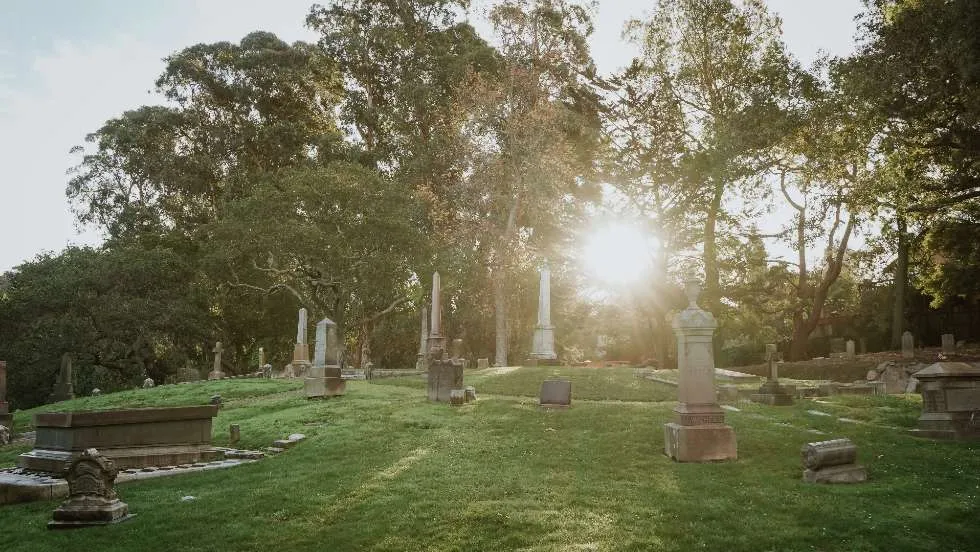
Losing a loved one is an incredibly difficult experience, and choosing a memorial to honor their legacy is a deeply personal journey. One of the most common questions families ask during this process is, “How long does monument engraving take?” It is a natural question, as seeing the final, inscribed headstone placed at the resting site provides a significant sense of closure.
However, monument engraving is not a simple, uniform process. It is a highly specialized craft that blends artistry, engineering, and precise logistics. There is no single, one-size-fits-all timeline. Depending on a wide variety of factors—from the complexity of the chosen design and the specific type of granite to cemetery regulations and seasonal weather conditions—the engraving process can take anywhere from a few weeks to several months. This comprehensive guide will break down the entire timeline, explaining every step of the process so you know exactly what to expect.
Understanding the Monument Engraving Process
To truly understand why monument engraving takes the time it does, it is essential to look at the process from start to finish. Engraving is rarely an isolated event; it is usually part of a broader sequence of designing, approving, and fabricating a memorial.
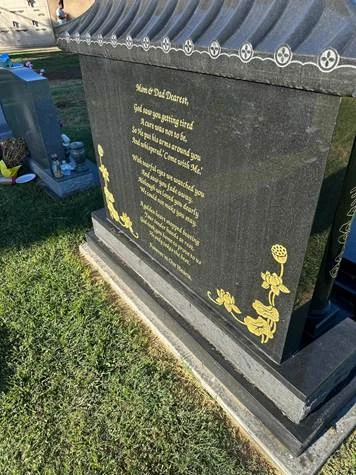
The Initial Consultation and Design Phase
Before a single letter is carved into stone, the design must be conceptualized and finalized. When you partner with professionals like Monument Services, the initial consultation involves selecting the stone’s color, shape, and size, as well as deciding on the specific text, fonts, and imagery to be engraved.
Once the initial choices are made, a draft or “proof” is created. This is a vital step where you will see a physical or digital rendering of exactly how the engraving will look on the stone. Families must review this proof meticulously to ensure all names, dates, and epitaphs are spelled perfectly. Any revisions requested during this phase will naturally extend the timeline. Only after the family signs off on the final proof can the actual production schedule begin.
Material Selection and Quarrying
If you choose a standard, in-stock stone, the timeline moves much faster. However, if your design requires a rare color of granite, a custom shape, or a specific size that is not currently in the local inventory, the stone must be ordered and shipped from a quarry. Depending on whether the quarry is domestic or international, the shipping process alone can add weeks or even months to your overall timeline before the engraver can even touch the stone.
Factors Influencing the Engraving Timeline
Once the stone is ready and the design is approved, the actual engraving process begins. The speed at which this happens depends heavily on a few critical variables.
Complexity of the Design
The intricacy of the artwork and typography plays a massive role in the timeline. A simple headstone featuring only a name, a birth date, and a passing date in a standard font can be completed relatively quickly. However, modern memorials often feature highly detailed customizations.
If your design includes elaborate floral borders, custom family crests, or lengthy poems, the preparation and execution take significantly longer. The artisan must carefully create the stencils and ensure every delicate line is protected during the engraving process. Furthermore, if you are incorporating ceramic photos or specialized custom inlays, these materials must be manufactured separately and carefully integrated into the stone, requiring additional curing and setting time.
The Method of Engraving
Different engraving techniques require different amounts of time and expertise. The method chosen often depends on the type of stone and the desired visual effect.
- Sandblasting: This is the most traditional and common method for engraving granite headstones. A rubber stencil is applied to the stone, and highly pressurized sand is used to erode the exposed areas, creating deep, lasting cuts. While the sandblasting itself is relatively quick, the precise cutting and application of the stencil take considerable time.
- Laser Etching: This modern technique uses a computerized laser to burn away the surface of the stone. It is perfect for highly detailed images, such as portraits or complex landscapes. Laser etching is generally faster than hand-carving but requires dark, high-quality granite (usually pure black) to provide the necessary contrast.
- Hand Carving: For highly specialized, three-dimensional sculptures or deep-relief lettering, artisans may use traditional hand-carving techniques with chisels and pneumatic tools. This is a painstaking, time-consuming process that yields breathtaking results but significantly extends the production timeline.
On-Site vs. Off-Site Engraving
The timeline also depends on whether you are ordering a brand-new monument or adding a new inscription to an existing headstone already located in a cemetery.
Factory Engraving for New Monuments
For new memorials, the engraving is done off-site in a controlled workshop environment. This is generally the most efficient method because the artisans have immediate access to heavy machinery, sandblasting booths, and ideal lighting conditions. In a factory setting, a standard engraving job might take two to four weeks once the design is finalized and the stone is in stock.
Cemetery Weather and Regulations for On-Site Engraving
If you need to add a final date to an existing companion headstone, the engraving must be done on-site at the cemetery. This process introduces a host of external factors that can cause delays:
- Weather Conditions: Mobile engraving equipment requires dry, relatively mild conditions. Rain, snow, high winds, or extreme cold can make it impossible for the stencil adhesive to stick to the stone or for the equipment to function safely. In many regions, on-site engraving stops entirely during the winter months and resumes only when the ground thaws in the spring.
- Cemetery Regulations: Every cemetery has its own set of rules and administrative procedures. Before an engraving crew can enter the grounds, they often must secure permits, pay fees, and schedule a specific time with the cemetery groundskeeper. Sometimes, cemeteries restrict work during holidays, weekends, or times when funerals are actively taking place nearby.
- Scheduling Backlogs: Because mobile engravers are highly specialized and dependent on the weather, they often experience significant scheduling backlogs, particularly in the spring and early summer when they are catching up on work delayed by winter weather.
Average Timeframes to Expect
While every situation is unique, it is helpful to have a general baseline when planning a memorial. Below is an estimated breakdown of timelines based on the type of engraving project. Please note that these timelines typically begin after the final design proof has been approved.
- Adding a Final Date On-Site: 4 to 8 weeks (heavily dependent on seasonal weather and cemetery permit approvals).
- Standard In-Stock Upright or Marker: 4 to 6 weeks (assuming no complex artwork and standard sandblasting).
- Custom Design on In-Stock Stone: 6 to 10 weeks (allowing extra time for intricate stencil work or laser etching).
- Custom Stone Requiring Domestic Shipping: 3 to 4 months (incorporating quarrying, shaping, and domestic freight).
- Fully Custom Monument Requiring International Shipping: 4 to 6 months or more (due to international freight, customs clearance, and extensive custom carving).
Ensuring Quality and Timeliness
Creating a permanent tribute to a loved one is not a process that should be rushed. While it is natural to want the memorial placed as quickly as possible, sacrificing quality for speed can lead to mistakes that are etched in stone forever. Proper spelling, optimal depth of the carving so it remains legible for centuries, and secure placement in the cemetery all require time, patience, and meticulous attention to detail.
At Monument Services, our primary goal is to ensure that the final tribute is absolutely flawless. We maintain transparent communication throughout the entire process, providing updates on stone delivery, design approvals, and final installation dates. By working closely with cemetery administrators and utilizing highly skilled artisans, we strive to navigate the complexities of weather and logistics to deliver a beautiful memorial within the most efficient timeframe possible.
Conclusion
The question of how long monument engraving takes does not have a single numerical answer. It is a fluid timeline dictated by the uniqueness of the design, the origin of the materials, the chosen engraving technique, and the unyielding realities of weather and cemetery administration.
When planning a memorial, the best approach is to begin the process early, communicate your expectations clearly, and exercise patience. Remember that the time spent waiting is dedicated to ensuring that the craftsmanship is perfect. The resulting headstone will stand for generations as a lasting, beautiful testament to a life well-lived, making the wait entirely worthwhile. Whether you are creating a simple flat marker or a towering custom obelisk, understanding the steps involved will give you peace of mind as the process unfolds.

Online Game: Understanding Symbols, Triggers and Feature Rules

How Bingo Plus Login Supports a Safer and More Reliable Digital Account Experience
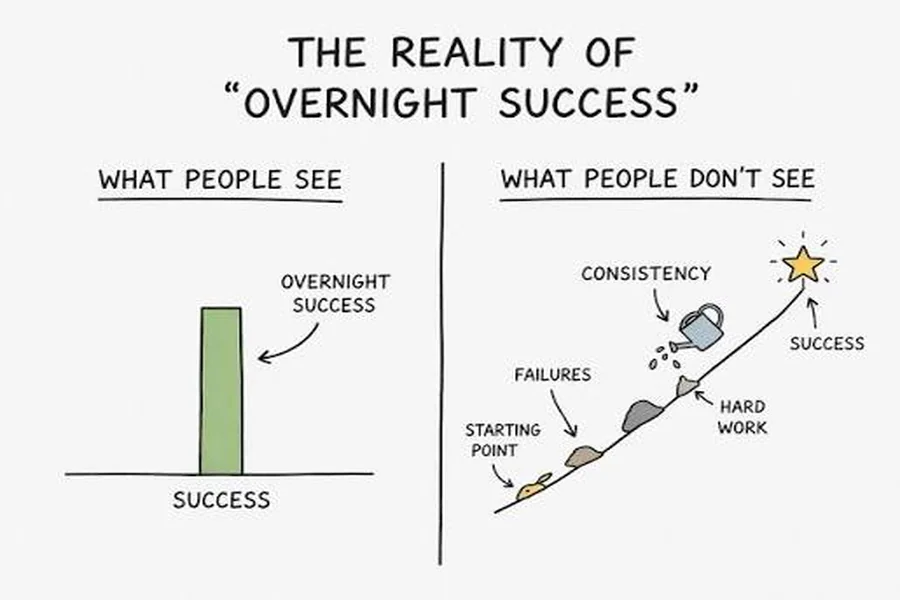
The Obsession of the Internet with Overnight Success
Live Dealer Games Are Taking Over US Online Games