







Texas Apostille Service: How to Authenticate Documents for International Use
This article covers everything you need to know before getting started with Texas…
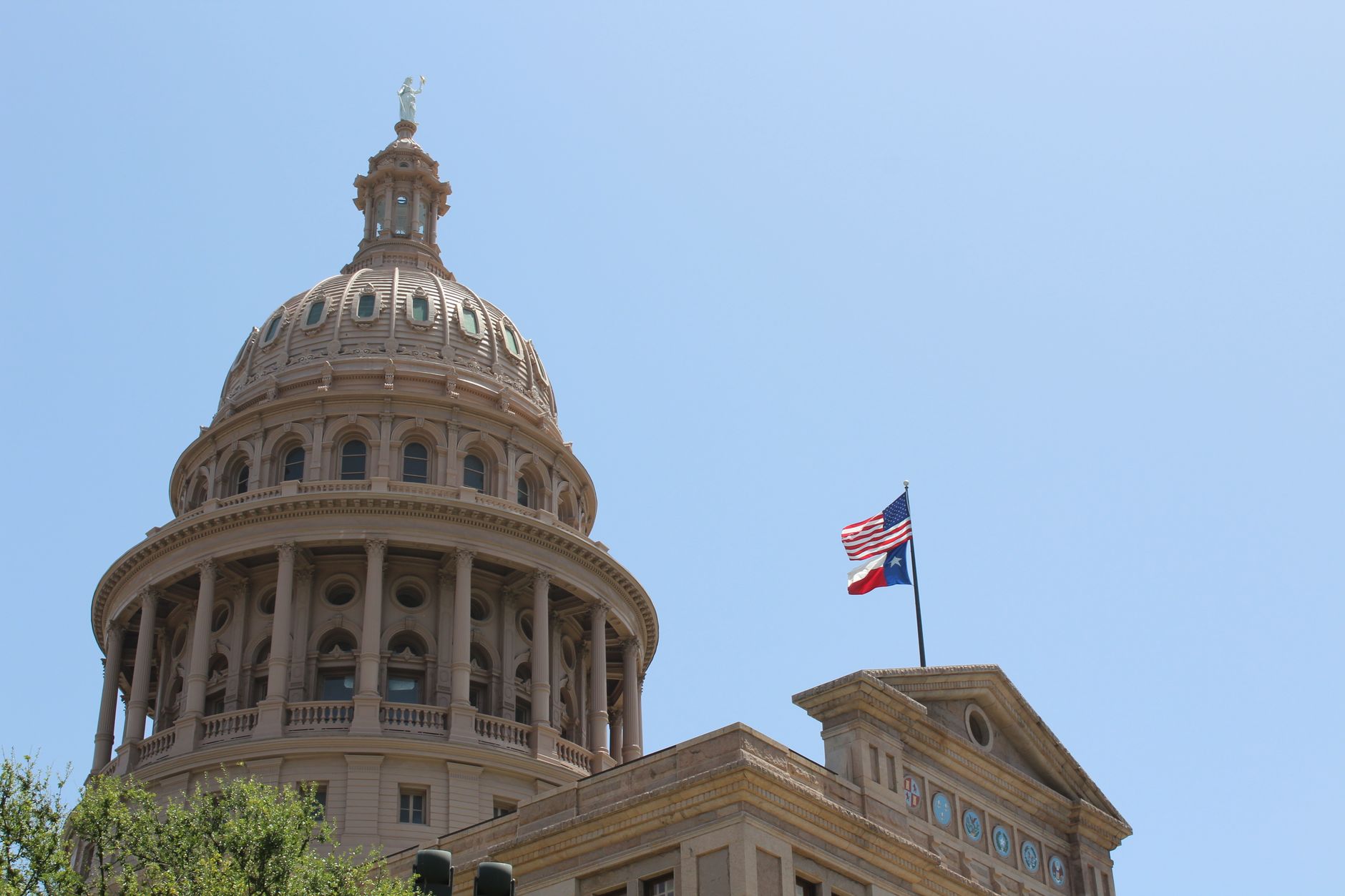
When a Texas-issued document needs to be used abroad, a standard certified copy is rarely sufficient on its own. Foreign governments require official confirmation that the signatures and seals on your paperwork are genuine. And in Texas, that confirmation comes in the form of an apostille issued exclusively by the Office of the Texas Secretary of State. This article covers everything you need to know before getting started with Texas apostille.
When You Need a Texas Apostille
Apostilled documents Texas residents and businesses need are required whenever a Texas-issued record must be presented to a foreign country that participates in the 1961 Hague Apostille Convention. Here’s where this comes up most often:
- Personal Documents. Applying for dual citizenship, registering a marriage in a foreign country, and international adoption all require authenticated personal records. An apostilled birth certificate, for example, gives foreign immigration and civil authorities the official confirmation they need to recognize the document without requiring additional embassy-level legalization.
- Business Documents. Organizations conducting international trade, executing cross-border property transactions, or granting authority to representatives abroad regularly require document authentication for powers of attorney, certificates of formation, and business contracts. These authentications confirm a Texas-based company’s legal standing to foreign entities and regulatory bodies.
- Academic and Legal Records. Students pursuing study or employment overseas frequently need to apostille diplomas, transcripts, and academic records. Legal matters such as estate settlements abroad or remarrying after a divorce also commonly require authenticated decrees and probated wills before foreign courts or authorities will act on them.
Documents Eligible for Apostille in Texas
Texas divides documents into two categories — recordable and non-recordable — each following a different path to Texas Secretary of State apostille certification. We’ve prepared an easy explanation for each group.
Birth, Marriage, and Death Certificates
Vital records are classified as recordable documents because they are officially recorded and issued by state or county authorities. To be eligible for apostille birth certificate processing in Texas, these records must be less than five years old and bear an original signature or raised seal from the issuing authority. Documents older than five years or missing these elements are likely to be rejected before processing begins.
Corporate Documents
Texas document legalization for business records covers Articles of Incorporation, certificates of good standing, and company bylaws. Some business filings are routed through a specific Corporation Certifying Team within the Secretary of State’s office. But they all serve the same purpose: authenticating a company’s legal standing for use outside the United States.
Notarized Documents
Non-recordable documents — those not on file with a state or county official — must be notarized before they can receive an apostille. This category includes affidavits, letters, copies of passports or driver’s licenses, and powers of attorney.
Texas Apostille Requirements
Meeting Texas’s specific standards before submission determines whether your application moves forward or is returned. What does the state require?
Certified Copies
For recordable documents, apostille service Texas submissions require an original certified copy issued by a Texas public official (not a photocopy or scan). If the document is more than 5 years old or lacks an original signature, it will not be accepted. Requesting a fresh certified copy from the issuing authority before submitting is often the simplest way to avoid this problem.
Proper Notarization
Non-recordable documents must include a signed statement from the document owner summarizing its intent, properly notarized by a commissioned Texas notary. The notarial certificate must be correctly formatted, and the notary’s credentials must be current. Apostille submissions are rejected when notary licenses have lapsed, certificates are incomplete, or prohibited terminology is used.
Secretary of State Processing
The Texas Secretary of State’s Authentications Unit is the only office authorized to issue apostilles for Texas state-level documents. FBI background checks, IRS records, and other federally issued paperwork must be sent to the U.S. Department of State in Washington, DC.
How the Texas Apostille Process Works
The process moves efficiently when each stage is handled correctly. Here’s what a professional submission looks like from start to finish.
Document Review
Even minor errors can stall a Texas apostille application, which is why professional providers begin with a free pre-screening. Digital scans of your documents are reviewed to confirm that signatures are correct, notary licenses are active, and the document format meets state requirements. Catching these issues before submission prevents the delays and additional costs.
Submission
Once documents pass review, they are submitted to the Secretary of State’s Authentications Unit in Austin. Professional providers handle direct delivery — by hand or by mail — to the correct office. This step ensures the paperwork reaches the right destination without the routing errors that commonly slow down independent submissions.
Return Shipping
After the Texas Secretary of State apostille certificate is attached, documents are returned via secure, tracked international carriers such as FedEx or DHL. Reputable providers offer real-time tracking throughout, so clients always know where their documents are.
Why Use a Professional Texas Apostille Service
Working with a professional Texas apostille service reduces the risk of rejection, speeds up turnaround, and removes the guesswork from a process where small errors carry real consequences. It’s possible because specialists catch the mistakes that most applicants don’t notice until after a rejection. Dedicated agents also provide a single point of contact for order tracking and questions throughout the process. And for destinations requiring it, certified translation in multiple languages is available alongside the apostille services online submission.

Understanding What Really Depends On Your Paycheck

Christian Pulisic’s Chelsea Struggles Explained—and Why Liverpool Could Be His Redemption Story

The Role of Blockchain Payments in Modern Commerce

How to Reach Buyers Before They Contact Another REALTOR